
January 17, 2026 marks 65 years since the assassination of Patrice Émery Lumumba, a man whose life and death came to symbolize the brutal betrayal of Africa’s post-colonial promise.
On this day in 1961, deep in the Katangan bush, Lumumba was executed far from the microphones and flags that once celebrated Congo’s independence. But long before the gunshots, the world had already watched his public unmaking.
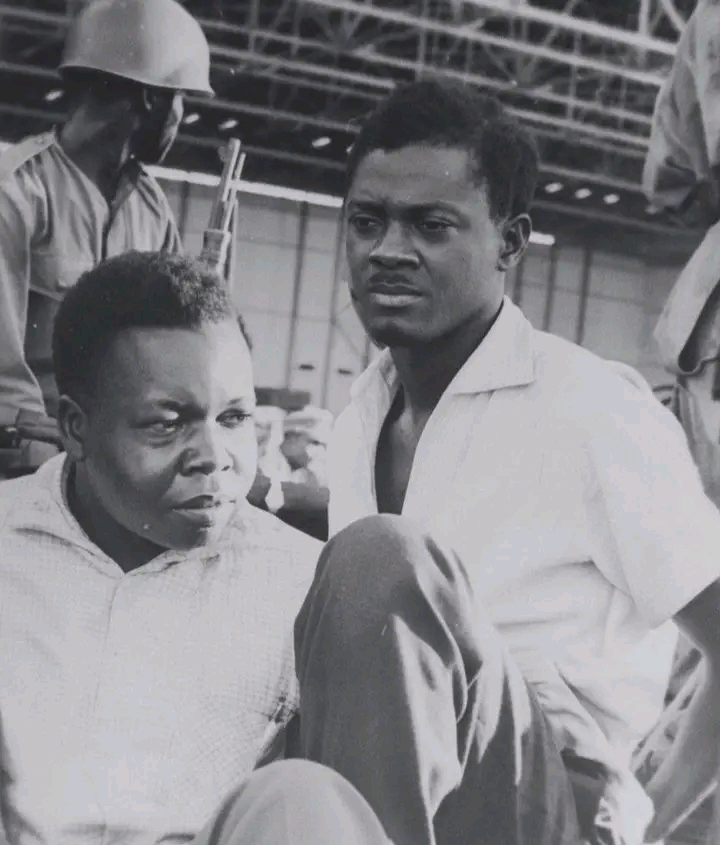
The image in the frame, taken on December 2, 1960, is part of historical records of the pain and humiliation the man went through. Lumumba, still Congo’s prime minister, was bound, manhandled, and forced into the back of a military lorry in Léopoldville, one day after his capture while trying to reach his supporters in Stanleyville.
Captured in broad daylight and in public view, the images were meant to send a message: this is what happens to anyone who dares imagine a truly independent Congo.
Just months earlier, on June 30, 1960, Lumumba stood before King Baudouin of Belgium and shattered colonial decorum with a speech that named exploitation, violence, and humiliation for what they were. That alone marked him for destruction.
As prime minister, he demanded a united Congo, control over its mineral wealth, and independence that went beyond flags and anthems. In the Cold War atmosphere, that kind of clarity was intolerable. Belgium, threatened economically; Western powers, alarmed politically; and Congolese rivals, hungry for power; all agreed: Lumumba had to be removed.
After his arrest, the violence only intensified. He was beaten, mocked, and moved between military camps, his dignity assaulted as methodically as his authority. On January 17, 1961, Belgian officials helped transfer him to Katanga, a secessionist province openly hostile to him.
That evening, alongside Maurice Mpolo and Joseph Okito, Lumumba was taken to a clearing and executed by a firing squad overseen by Katangan leaders with Belgian officers present. He was just 35 years old.
Even in death, there was an effort to erase him. His body was exhumed, dismembered, and dissolved in acid. Bones crushed and scattered. The earth disturbed so no grave could become a shrine. It was an execution not just of a man, but of memory itself. Yet history has a way of resisting erasure. The truth emerged slowly through investigations, testimonies, and Belgium’s eventual admissions of moral responsibility, revealing an assassination planned, enabled, and concealed at the highest levels.
Sixty-five years on, Lumumba endures because the violence done to him was so naked, so public, and so deliberate. They killed the man, dismantled his body, and tried to bury his ideas but Lumumba’s dream of dignity, sovereignty, and African self-determination still refuses to die.
#AfricanHistory #PatriceLumumba #CongoCrisis