
Staff Writer
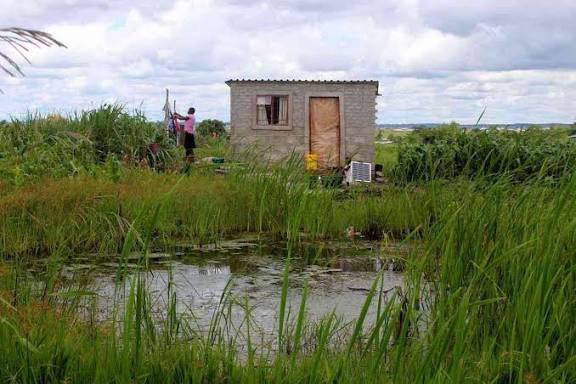
Zimbabwe government and Harare City Council have been urged to take measures to protect Monavale Wetlands which of late have been under threat from land barons who are into construction and housing development.
In a statement, the area representative and also a former councillor, Samuel Gwenzi said it is sad to note that ‘retrogressive’ forces are threatening the survival of the important water aquifer.
“The Zimbabwe government is a signatory to international statues that seek to protect wetlands and the environment,”said Gwenzi.
“Zimbabwe early this year hosted international conference on protection of wetlands. It is to this background that we continue urging the government and council to protect our Monavale wetlands.
” In my election as councillor for ward 5 in the 2023 election I rose through the commitment of being a custodian of the Monavale wetlands with support from the community. We continue to guard jealously this world heritage for posterity as efforts have been made by retrogressive forces to invade wetlands,”said Gwenzi.
Monavale Wetlands in Harare is a protected Ramsar site, playing a crucial role in the city’s water security. Unfortunately, it’s facing threats from construction and land-use changes, with around 11 hectares acquired by Cablemail (Pvt) Ltd for development, sparking controversy among residents and conservationists.
Located in Monavale suburb, Harare, the wetlands covers 509 hectares (Ramsar site), with 34 hectares designated as a model for wetland restoration.
It has underground aquifers, purifies water, and reduces surface runoff.
Of late, the wetlands have been under threat from construction, agriculture, and housing development Conservation efforts have been led by Conservation Society of Monavale (COSMO), BirdLife Zimbabwe, and Environment Africa, with Gwenzi actively leading the protection lobby campaign.
The wetlands have seen improvements in water quality and quantity due to conservation efforts, with studies showing enhanced self-purifying capacity. However, about 13.4% of the wetland has been lost to human activities, highlighting the need for continued protection.