
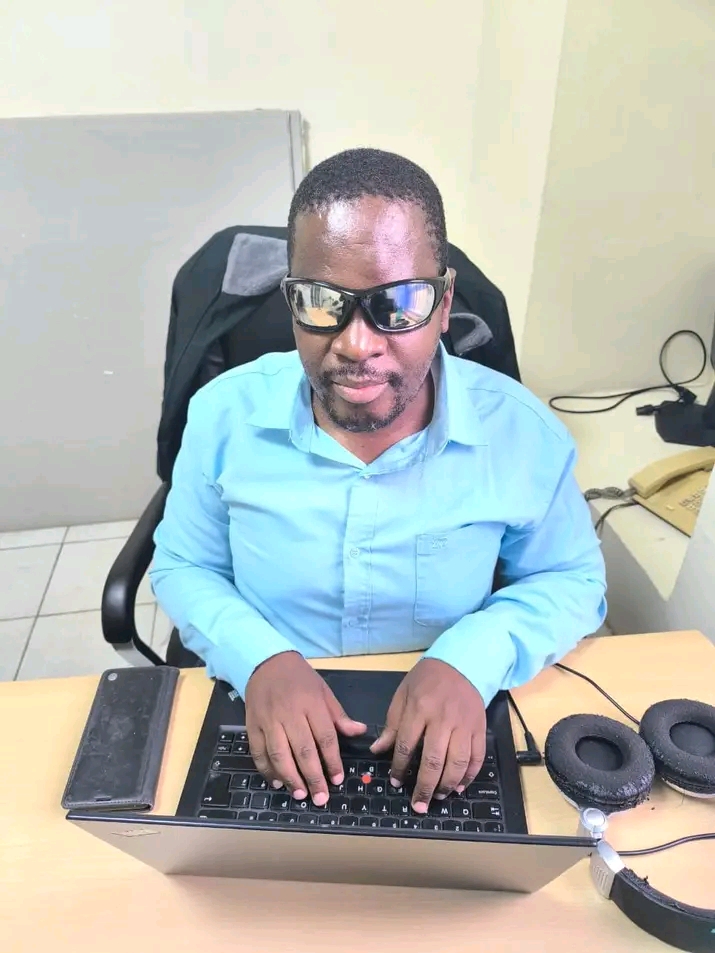
Abraham Mateta
By Abraham Mateta , as told to Bigboy Madzivanzira
As Zimbabwe joins the global community in marking the International Day of Persons with Disabilities, it’s time to take a hard look at our progress. We’ve mastered the art of sounding respectful, quoting proverbs like “Seka urema wafa” and using polite terms like “visually challenged” and “differently abled.” But beneath the surface, the reality is stark: our politeness hasn’t translated into justice.
The recent Persons with Disabilities Act, gazetted in November 2025, is a case in point. Despite its promise, the Act retains outdated language and fails to address the systemic barriers faced by persons with disabilities. It’s a stark reminder that Zimbabwe still treats disability as a charity case, rather than a rights issue.
The National Disability Policy is another example. Beautifully written, but barely implemented. Ministries have failed to mainstream disability, budgets are symbolic, and assistive devices are inaccessible. Inclusive education is barely functional, and adults with disabilities remain unemployed and unsupported.
We call people with disabilities “special,” even “kings and queens,” but deny them the tools to exercise power. No ramps, no sign language interpreters, no accessible public transport, and little representation in decision-making spaces. It’s a cruel irony: titles without transformation.
Zimbabwe has no shortage of educated and capable persons with disabilities. What it lacks is the political will to let them lead. We wouldn’t tolerate men occupying seats reserved for women, yet we allow non-disabled “experts” to speak on behalf of persons with disabilities.
It’s time to move beyond polite vocabulary and take concrete action. Implement policies, enforce rights, and invest in inclusion. Recognize that dignity is not found in euphemisms, but in empowerment.
Until Zimbabwe shifts from courtesy to action, persons with disabilities will remain kings and queens without power.
Acknowledgement:This article is based on the insights and perspectives shared by Abraham Mateta, a champion for disability rights in Zimbabwe.