
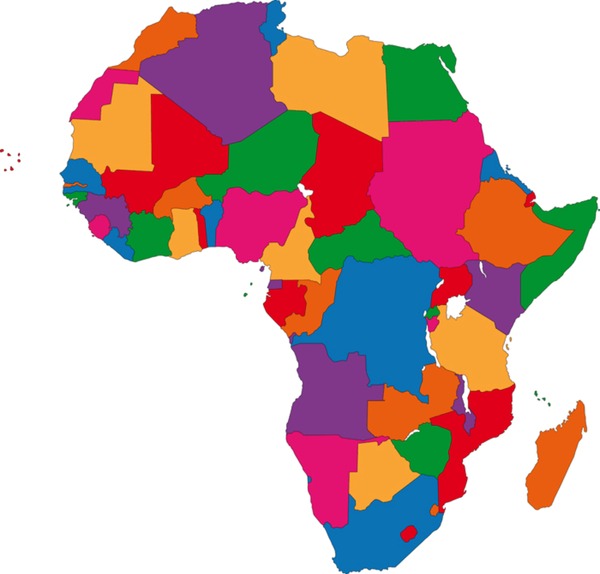
Across Africa and among its diaspora, a silent erosion is taking place one word at a time. Parents proudly encourage their children to speak “good English,” often correcting them when they use their native African languages.
Yet in doing so, they may not realise that they are tearing apart the very fabric of African culture and identity.
Language is not just a means of communication, it is the vessel of a people’s soul, the keeper of their stories, wisdom and worldview. When a child loses their mother tongue, they lose an intimate connection to their ancestry and to the collective consciousness that defines their community.
Across the African continent, children who cannot speak Shona, Zulu, Swahili, Yoruba, or any of the hundreds of African languages that shaped their lineage are increasing. Parents equate fluency in English with success and intelligence, forgetting that a balanced identity can embrace both worlds.
This mindset, born of colonial influence, continues to haunt Africa generations after independence. True empowerment begins when African children can read, write and dream in both English and their native languages. It is not one or the other it is both.
To all African parents, teach your children English, yes, but never at the expense of your own language. For in every lost word of our mother tongue, a piece of Africa’s heartbeat fades away.
Engineer Jacob Kudzayi Mutisi
+263772278161