
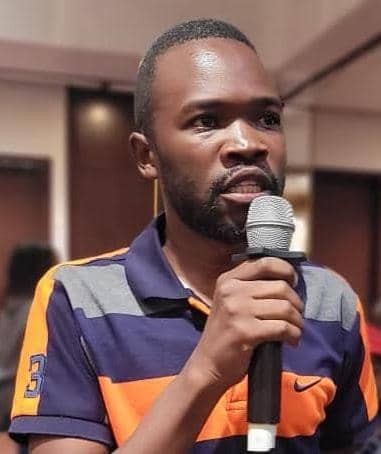
By Gerald Tavengwa
07 October 2025
For decades, the word “change” has echoed through Zimbabwe’s political landscape like a sacred mantra. So potent is the concept that a major political party was even founded with the name Movement for Democratic Change.
“Change” is chanted at rallies, splashed across campaign posters, and whispered in hopeful conversations across every corner of the country. Yet, for the vast majority of Zimbabweans—those queuing for a ration of unsafe water, those scrounging for essential medicines, those watching their children’s futures tragically evaporate—this promised “change” remains a cruel and perpetual illusion, cynically manipulated by power-seekers disguised as national saviours.
The bitter truth that must be confronted is this: The “change” peddled by many aspiring politicians is not about the systemic improvement of your life; it is about their personal ascent. It is a narrative carefully crafted to harvest votes, not to harvest solutions.
*Change as Election Theatre*
The most potent weapon in this political manipulation is the strategic distortion of time. “Real change comes only at the election,” the politicians declare. “Vote for us, endure the queues, the shortages, the crumbling infrastructure just a little longer, and salvation will arrive with the ballot count.”
This narrative serves a critical, self-preserving function: it conveniently absolves the powerful—both incumbent and aspiring—of any responsibility between electoral cycles. It reduces the complex, urgent, and daily needs of a suffering nation to a single, often compromised, event. It dictates to the mother walking kilometres for water that her desperation must wait for a political calendar to align.
*The Musical Chairs of Power*
Even when local elections appear to deliver new faces—councillors or Members of Parliament—the promised transformation rarely trickles down to the community. The core reason is that the real levers of power, resources, and systemic control remain firmly entrenched, often insulated from local electoral shifts.
New councillors and MPs inherit bankrupt, broken, and opaque systems that are designed to fail the citizen. But while the public system stalls, the individual politician finds rapid success. The local councillor experiences change at a personal level: securing residential stands, patronage networks, and other benefits. They can then vigorously chant the ‘change’ slogan at the next election, their personal success masking collective failure.
Similarly, new MPs enter a national assembly often sidelined by an all-powerful executive. While the institution of Parliament may be weakened, the individual MP enjoys immediate “change” in their personal life: a new car, fuel coupons, allowances, and a whole list of new luxuries that dramatically separate them from their constituents. The “change” becomes merely a rotation of individuals within a fundamentally unchanging, predatory structure. The water pipes remain rusted, the clinics empty, the jobs scarce—regardless of who holds the local or national title.
*The Rigged Centre & the Hollow Victory*
The presidential election—the supposed pinnacle of “change”—exists in a realm of its own. Allegations of manipulation, intimidation, and electoral engineering are not mere opposition complaints; they are a lived, painful reality for generations of Zimbabweans. From Nkomo to Tekere, Dongo, Tsvangirai, and Chamisa, many political figures have suffered the consequences of this deeply manipulated system.
But a deeper critique is required: Even if an opposition candidate were to overcome these immense hurdles and secure the presidency, victory at State House does not automatically equal change for the masses. The deep state, the entrenched patronage networks, the economic cartels, and the sheer inertia of a broken system present formidable barriers to genuine reform. A new president may change the occupant of the top office, but without a powerful, active, and organised citizenry dismantling the underlying architecture of power and resource allocation, the people’s water doesn’t get cleaner, their cost of living doesn’t drop, and their dignity is not restored.
Change is Not an Event; It’s an Imperative
Zimbabweans do not need change someday. They need it NOW.
• Clean water is not a campaign promise; it’s a fundamental human right needed today.
• Functional healthcare isn’t a future aspiration; it’s a life-or-death necessity this very hour.
• A viable economy isn’t a five-year plan; it’s the foundation for survival this month.
This is the change that matters. This is the change that cannot, and must not, be deferred until the next political cycle.
Reclaiming the Narrative: Change is a Daily Battle
The powerful—both those in office and those aspiring to it—want you to believe change is a passive act: a cross on a ballot paper every five years. This is a profound lie designed to disempower you.
True, lasting change—the change that improves the quality of your life—is fought for every single day.
• On the Streets: It’s the peaceful, organized demand for accountability. It’s communities organizing to fix a borehole, expose corruption in local procurement, or relentlessly demand better services from whoever is in the local office, today. It’s civic action holding feet to the fire.
• In the Courts: It’s using the law, however imperfect, to challenge injustice, protect rights, and demand constitutional adherence, consistently.
• In the Community: It’s building local resilience, supporting each other, fostering entrepreneurship, and refusing to let despair win—it’s building the society you want from the ground up, brick by brick.
AND Yes, At the Ballot: Voting remains a crucial tool, but it is only one tool—not the entire toolbox. Vote strategically, vote locally, and vote with your eyes wide open to the limitations of electoral politics alone. Vote not because you believe one person on a podium is a messiah, but because it is one act of asserting your agency within a broader, relentless struggle.
Stop Waiting for the Mirage
Zimbabwe’s salvation will not be delivered from on high after an election. It will be forged in the daily courage of its people—in their refusal to accept dirty water as their fate, in their insistence on accountability every single day, in their relentless organization and demand for dignity.
Don’t be seduced by the hollow chant of “change” from those seeking only a throne. Fight for the real change—the kind that flows from your tap, heals your sick, and feeds your children. Fight for it in your street, in your ward, in your workplace, every single day. Your life, your water, and your future cannot wait for the next political season. Demand it. Build it. Be the change, now.
The power to reshape Zimbabwe begins not at the ballot box alone, but in the unwavering, persistent will of its people.
Join the Zimbabwe Solidarity Movement and begin to fight for change on a daily basis.
Gerald Tavengwa
Concerned citizen and member of the Zimbabwe Solidarity Movement