
By Bigboy Madzivanzira
The sprouting of Early Childhood Development (ECD) schools and other private schools in Zimbabwe is a trend that’s raising concerns about quality. While the growth of private schools can increase access to education, it also poses challenges in maintaining standards.
Quality Concerns:
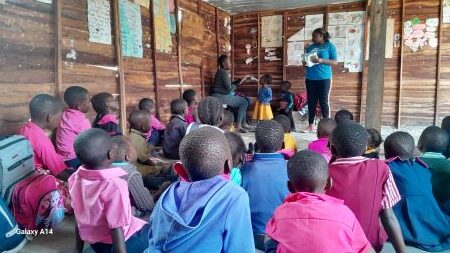
– Inadequate Infrastructure: Many ECD schools lack age-appropriate facilities, equipment, and learning materials, which can hinder children’s development.
– Unqualified Teachers: Only about 53% of ECD teachers are qualified, which can impact the quality of education.
– Limited Resources: Private schools often rely on tuition fees, which can lead to disparities in resource allocation and infrastructure development.
– Curriculum Alignment: Some private schools are shifting to international curricula, which may not align with Zimbabwe’s national curriculum and values.
Regulatory Framework:
The Ministry of Primary and Secondary Education (MoPSE) is responsible for ensuring quality standards in private schools. However, the regulatory framework faces challenges, including:
– Insufficient Funding: The education sector receives less than 3% of the national budget for infrastructure and professional development.
– Limited Capacity: The MoPSE may lack the capacity to effectively monitor and support private schools.
Initiatives and Opportunities:
– Public-Private Partnerships: Collaborations between government and private institutions can enhance resource sharing and expertise.
– Teacher Training: Programs like the Association of Independent Colleges Zimbabwe (AICZ) offer training and support for teachers.
– Community Engagement: Encouraging community involvement in education can help address local needs and promote accountability.
Inclusive Education:
Government institutions have made efforts to provide facilities that cater to children with disabilities, such as ramps for wheelchair access, rails for support and stability, accessible toilets and sanitation facilities, and adapted classrooms and furniture. However, more awareness and advocacy are needed to promote inclusive education and accessible facilities for children with disabilities.
Parent’s Perspectives:
“We are so grateful. Our children used to commute daily to far away schools now the schools are near you have to choose.” – A parent in Budiriro extension in Harare
“Its sad that we are enriching individuals who are giving nothing to our children. We buy groceries but this is not feeding our children at all.” – A concerned parent
Conclusion
There is a need for proper monitoring by relevant authorities to ensure a balance between access and quality in ECD education. The government, private institutions, and communities must work together to address the challenges and ensure that all children have access to quality education.
About the Author
Bigboy Madzivanzira is a Special Needs Educator with expertise in health and adult education, having studied at the University of Zimbabwe. He has also obtained a certificate in Sign Language from Zimbabwe Open University. Bigboy is a Specialist in Supportive Seating and wheelchairs for children with special needs. As an accredited Freelance Journalist, he focuses on health, education, disability, and social issues. He can be contacted on 0773 367 913 or email: healthpromotionclinic@gmail.com